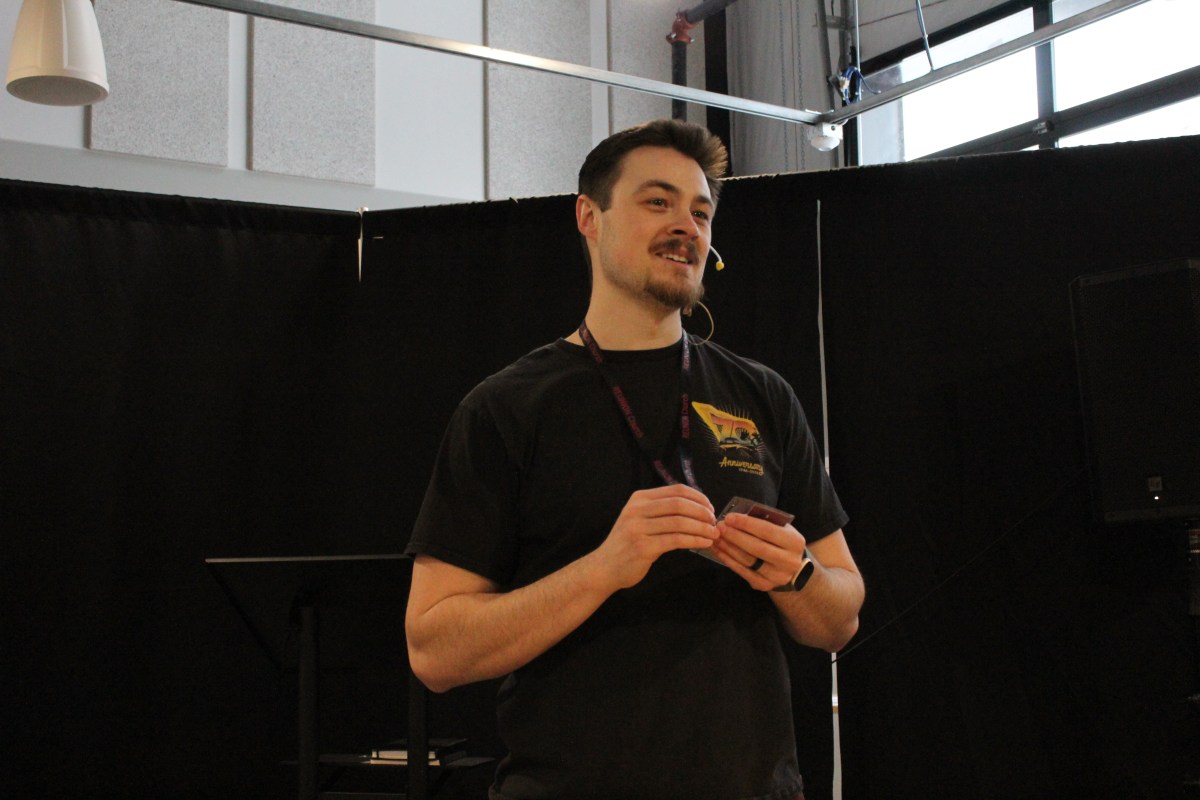
Luke: Exceeding Expectations | 1-29-2023

Photo Cred: (1) | Updated: 10/12/2024

Sermon Prep

Now that it’s almost 2025, looking back at the beginning of 2023 is really interesting. It was the first full calendar year of marriage for my wife and I. We had our own place and finally had a flow to our daily routine as a couple, yet that wasn’t without its hiccups. Below is how this month was for us when I journaled the day of this sermon:

“I’m not good at change. Whether bad or good, change is always incredibly difficult for me. The last two weeks have been hard for Glory and I. With the new job… I’ve had to make drastic adjustments to my schedule. Now I wake up at 4:50am and drive 30min to Nik’s gym and then to work, along with the hour to commute home. It’s a long day that ends at 6pm where I’m finally home to relax for a few hours. It’s brutal some days, but in the long run the discipline is good for me.”

What I failed to mention was that I kept working once I got home combing through medical textbooks I bought to learn my new job. Glory was doing her own job hunt trying to find something new to do too. She was emotionally ready to move-on from her family’s nonprofit, but in retrospect not really since she still works there as of this writing. I think she felt more-so guilty that all of our finances were on me now and wanted to contribute more too.

Between the events of my last sermon and this one, we had lots of other changes happen in life as well. My younger brother, Corban, moved back to Colorado from Tennessee. Glory’s sister ended a years-long relationship with her then boyfriend. Our church’s truck was totaled, which made set-up and tear-down that much more difficult in the middle of winter. Lastly, a young man who was homeless and attended our church died of hypothermia sleeping outside on a cold night in December. The changing of seasons it seems had an effect on not just us, but the community we lived with at large.

It’s in light of these changes and the expectations for what 2023 would be, that I shared this message. I must say, the contrast between my confidence in teaching through Ecclesiastes versus Luke was night-and-day. This series was much more up my alley given it was a character study on Jesus and there’s always something to be found when studying our Lord’s life. With that backdrop, here’s my notes:

Sermon Notes

Opening Line

  • Becoming an uncle.
    • How it changed me and my family.

Intro

  • Luke begins his gospel account with 2 key moments: announcement and arrival.
  • These 2 themes run throughout Luke.
    • Luke 1 = Announcing the king
    • Luke 2 = Arrival of the king

Transition To Main Point

  • The king’s arrival both exceeded expectations and extinguished them.

Main Point

  • 1) Announcement
    • Modern messiahs (i.e. Herod the Great, Judah the Hammer, etc.) have had a lot of expectations put on them, but they can never meet them as just men.
      • The same was true of Jesus’ time.
      • There were many previous messiahs, but none of them saved the world.
    • John the Baptist’s role was to announce King Jesus to the world.
      • He’s like the hype man of Jesus.
      • He set the stage for the savior.
      • Final old covenant and Old Testament prophet.
        • Story-wise, his death is a turning point.
  • 2) Arrival
    • Bethlehem was brutal.
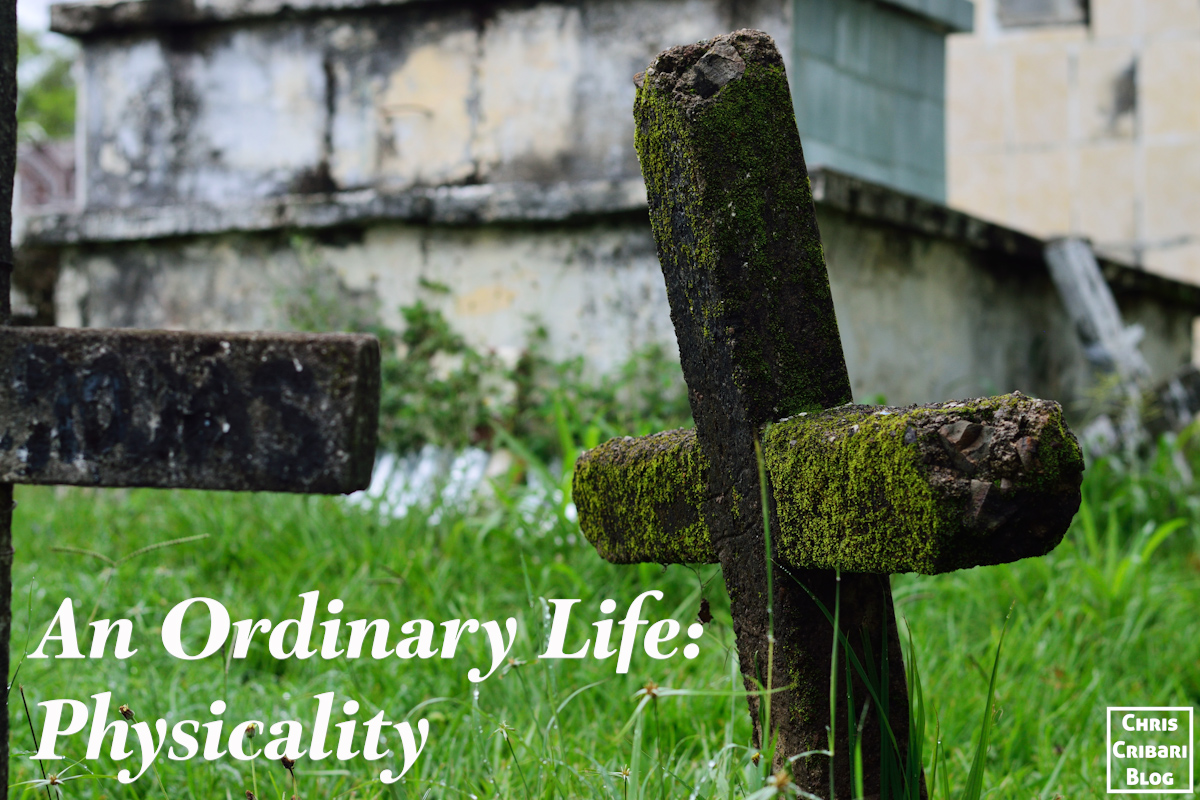
      • Roman rule set up crosses of resistance.
        • Horse thieves, murders; revolutionaries.
      • As Jesus’ family arrived to get registered, they would’ve seen these crosses.
    • As a boy, Jesus acted in command and with an awareness of who he was.
      • This put tension between his family.
      • Joseph’s absence in Luke theories:
        • 1) Died when Jesus was young.
        • 2) Emotionally absent.
        • 3) Omitted by Joseph’s request.

Why It Matters

  • Jesus exceeded and extinguished expectations.
    • Exceeded = Grace, wisdom, love, and healing.
    • Extinguished = Not rich or warrior king.
  • Not the king they wanted, but needed.
    • Back then, the Hebrews wanted a lord.
    • Today we want a savior, but not a lord.
      • Jesus will always be lord and savior.

Final Thoughts

As one of the first messages within the study on Luke, I’m quite proud of the delivery here. The same can be said of the messages I shared in this timeframe for this series. I just had an assurance in knowing this material and learning as I taught that was different then Ecclesiastes where I was speaking on things I didn’t truly know yet. With that, Godspeed and Jesus bless.

Footnotes

  1. Reunion Church

Ecclesiastes: Aging is Meaningless | 11-27-2022

Photo Cred: (1) | Updated: 7/27/2024

Sermon Prep

Like usual, both good and bad things happened in November of 2022. On the good side, my wife and I moved into our very own apartment on November 12th. It was amazing to have that apartment for the 13 months that we did. To have our own home that’s just for us was something special. It was a 3rd story apartment facing south where you could see Denver and the surrounding mountains. Brand new too, so we were the first to live there and we absolutely loved it.

On the bad side, my job hunt was beginning to get exhausting because I didn’t get any bites. What made matters worse was that on the next day after preaching this sermon, our VP of Sales who internally steered the ship at the company I worked at was unexpectedly fired without warning. For context, this person was the most influential person in our company until the acquisition began to take place earlier in the summer. If anything, this was a cleaning house situation which meant my team was next.

Oddly enough, as my wife’s season of mourning the move away from home and her panic attacks ended around mid-November my life became the living hell next. In retrospect, these first few months of marriage truly felt like a refining time in life. Testing us and our trust in God, which is always good.

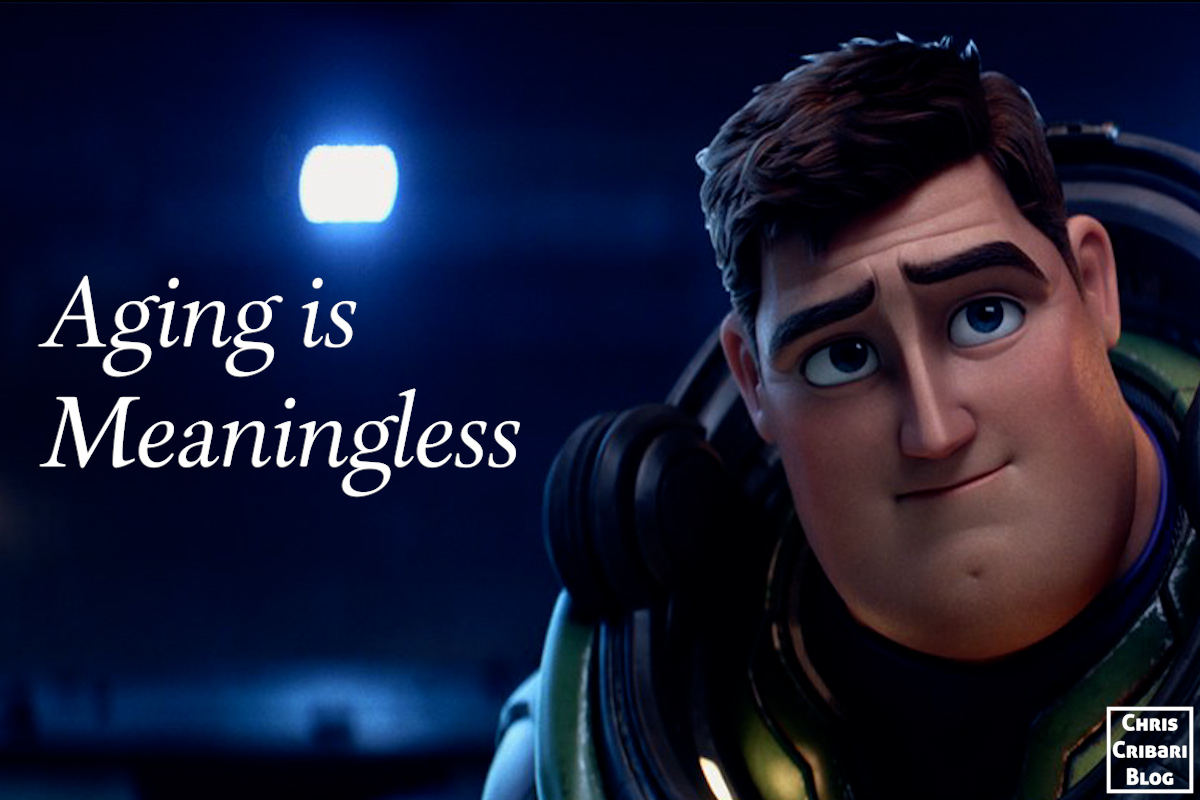
In regards to my sermon prep, I don’t think there was all that much to it given how distracted I was at this time. I remember my best idea was referencing the new Lightyear movie as my sermon analogy for the opener. If that’s the best you’ve got for a sermon, then you’re in trouble.

Sure, examples can be good starting points but I had no reference for growing old spiritually. I was 25 and newly married, so life overall was new and exciting in spite of the testing God had us go through. One of my worse messages for sure, but here’s the notes either way.

Sermon Notes

Opening Line

  • Lightyear: Buzz blasts through time to save best friend, but misses his life.
    • Time dilation speeds up time.
    • In my own life, I’ve experienced this.

Intro

  • Read Ecclesiastes 11:7-12:14

Transition To Main Point

  • Aging is meaningless without Jesus

Main Point

  • 1) Enjoy life as God intended (Ecc. 11:7-10)
    • Verses 7-8
      • Life is a good gift, but very brief.
      • Days of death outweigh days of life.
    • Verses 9-10
      • Enjoy life now, not later.
      • Avoid evil because God will judge.
  • 2) Live with God before you age out (Ecc. 12:1-7)
    • Verses 1-7
      • If read all at once, text leaves you out of breath. Life runs-on like sentence.
      • Turn to God before time runs out.
  • 3) Trust God as your life-support and light.
    • Only God can bear the weight of your brokenness and save you from sin.
    • There’s your stupid way and then there’s God’s wise way.

Why It Matters

  • With Jesus, growing old has meaning.
  • Aging isn’t something to be avoided, but something to be accepted in humility.

Final Thoughts

At this stage, I was just grateful to get this over with if I’m being honest. Preaching was the last thing on my mind. I was distracted and not ready to talk about the passing of time. The inevitable and all of its deep themes when it comes to becoming older. I’m glad I got to preach and was also glad that our study in Ecclesiastes was ending. With that, Godspeed and Jesus bless.

Footnotes

  1. Angus MacLane. 2022. Lightyear. Walt Disney Studios Motion Pictures.

Ecclesiastes: Wisdom in a Meaningless World | 11-6-2022

Photo Cred: (1) | Updated: 7/21/2024

Sermon Prep

I’m usually not one for the charismatic wing of Christianity, but on October 31st of 2022 I journaled a prophetic dream I had the night of the 30th. I’ve had dreams from God like this before, but very rarely. Maybe less then a handful of times in my life where I see what will happen and yet it feels like déjà vu all at the same time.

In this dream, here’s what I remembered and jotted down on Halloween morning:

“Had a beautiful dream this past night. Glory and I were in a hospital. She was in the bed restfully watching me cradle our newborn daughter, Willow. I was standing and rocking her to sleep. As I did that, I sang her a lullaby. It went like this:

My Willow bee, my Willow tree.

Dancing in the wind with me.

Then the dream abruptly ended. It felt so real. I can’t wait to dance with my Willow.”

Fast forward to now and my wife is nearly 28 weeks pregnant with our baby girl who is due October 17th. It’s almost to the day that God gave me that initial dream 2 years ago. It’s so strange seeing how things have played out so far and we cannot wait to meet our baby Willow.

In the everyday of this season, we had immediate big changes in life too. On November 1st, we signed for our very own apartment for just the two of us. We didn’t mind having my best friend Daniel be our roommate, but we needed our own space for our own family and found one.

It’s ironic posting this given the nature of the world right now and how foolish everything seems. I remember this was one of those messages where I felt foolish for trying to tell everyone what wisdom was in life. What would a guy like me know about wisdom when I haven’t wised up myself? Regardless, here’s the notes I had for this one below.

Sermon Notes

Opening Line

  • CFS story of terrible writer succeeding
  • Dropped out to help youth group; gave up
  • The fool prospered, but the upright lost

Intro

  • Read Psalm 92 out loud together

Transition to Main Point

  • What’s wisdom in a meaningless world?

Main Point

  • 1) God has a design for everything
  • Read Ecclesiastes 10:2
  • There’s a right and wrong way to life.
  • Read Ecclesiastes 7:12
  • “Privilege isn’t money, it’s info.” – Nathan Smith
  • Wisdom is knowing God’s design and living well within that way of life.
  • 2) Sin leads to brokenness/meaninglessness
  • Read Ecclesiastes 7:29
  • All people have chosen evil over good.
  • Read Ecclesiastes 9:11-12
  • No good you do can overcome an evil world.
  • 3) The Gospel is the answer
  • Read Ecclesiastes 9:13-16
  • This passage parallels the life of Jesus.
  • Wisdom is a person and we trust him.
  • 4) The Gospel allows us to recover and pursue God’s wise design
  • Read Ecclesiastes 8:12-13, 15
  • Evil will have its end eventually, so live well within God’s wise design.

Why It Matters

  • The Gospel is our guide to a good life.
  • For those of you who don’t know it:
  • 1) God made everything good.
  • 2) We made everything bad.
  • 3) Jesus has made and will make everything better.
  • 4) Now we believe in what Jesus did and trust him with what he’s going to do for our best.
  • In order to live by God’s wise design, we have to accept the Gospel.
  • Once accepted, you’ll find the right way and a wise life.

Final Thoughts

Conceptually, I see what I was going for here. The ingredients are there for something interesting, yet the mixture is a bad batch. I often do that when I don’t know what I’m talking about, I go broad with the vague concept and only reach a few. But if I went specific with the idea and really lean into the applicability of it, then many would have been reached by this message.

Like with any communication, universal appeal is found in the specific reveal. Again, I just wasn’t at a spiritual maturity to share this message and provide that specific reveal of truth. With that, Godspeed and Jesus bless.

Footnotes

  1. Community College of Aurora, Lowry Campus

Ecclesiastes: Your Dream is Meaningless | 10-2-2022

Photo Cred: (1) | Updated: 1/20/2024

Sermon Prep

Often times people describe the honeymoon phase as carefree and pure bliss. A short period of time where everything is perfect and nothing can go wrong. I think that Glory and I first experienced this during our dating and engagement days. Then that phase ended just over a month after our honeymoon. Never felt anything quite like that time in my life and I will always treasure that time with my Glory.

Once that mountaintop experience ended reality set in not just of ourselves, but of life overall. Not that life has been downhill since then, but rather that my wife and I entered a new phase: lament. Around mid-September of 2022, life pivoted from joy to lament. Not just for us, but others very close to us too.

For us, I grappled with how to comfort my wife’s panic attacks that didn’t just happen daily, but multiple times per day. It was emotionally brutal. I failed to understand the extent of what it meant for her to mourn moving away from her childhood home and family to be with me in our new home. Here’s an excerpt I wrote in my journal about this season:

“At a loss on how to help. How to help. What to do. Just defeated. Pretty tired too. There’s been a lot of late nights like this one. I’m worn out. Body aches. Mind races. Just drained. I relate to today’s Psalm a lot [Psalm 88]. It describes what I can’t. I’m so tired. God, help us to rest in you.”

Beyond my wife understandably feeling homesick after the honeymoon phase, other things brought about this tough timeframe. Two women within the span of a week were raped in our community. Decades-long friendships ended between people we knew due to evil in-fighting and gossip. On top of that, my once steady job was beginning to crumble as layoff rumors swirled due to an acquisition. It quickly shifted from cherished days to chaotic ones seemingly out of nowhere.

It’s with this backdrop that our church began a new series in the book of Ecclesiastes. Starting a series on the meaninglessness of life was quite good timing on God’s part. Exploring the emptiness of the season during what should the happiest time of the year leading into fall and the holidays. With that all in mind, here’s the notes from my sermon:

Sermon Notes

Opening Line

  • 1940s vs Disney+ Pinocchio.
  • Pinocchio is a retelling of the prodigal son.
  • Self-indulgence isn’t fulfilling; sacrifice is.

Intro

  • Read Ecclesiastes 2

Transition To Main Point

  • Pleasure, wisdom; work are meaningless without Jesus.

Main Point

  • Pleasure is meaningless (Read Ecclesiastes 2:1-11)
  • Wisdom is meaningless (Read Ecclesiastes 2:12-17)
  • Work is meaningless (Read Ecclesiastes 2:18-23)
  • Contentment is meaningful (Read Ecclesiastes 2:24-26)

Why It Matters

  • Nothing created can fulfill you.
  • Comforts can’t conform your heart to be like Christ, but the challenge of change will.
  • True joy is in jagged transformation.
  • There’s a purpose to life’s greatest pursuits.
  • That grand design is to enjoy the things of Earth with Jesus.
  • Life is pains and pleasures, but Jesus is our joy.
  • He makes the mess make sense.
  • Creation was intentionally untamed.
  • “We’re not made for Disney World” as Peter Kreeft put it, but rather for the Garden of Eden.
  • The adventure God has for us is this: he creates, we cultivate.
  • Your aim in life should be to embark on the adventure God has for you.
  • Now go and wander with the way-maker.

Final Thoughts

This one is a step above my last sermon for sure. I think with everything that was going on at the time, I leaned into the seriousness of it all a bit more in the delivery of the message. The ending wrap-up is messy and needed some refinement, but I remember the sharing of the sermon being good. With that, Godspeed and Jesus bless.

Footnotes

  1. Ben Sharpsteen & Hamilton Luske. 1940. Pinocchio. Walt Disney Productions.

BLESS: Listen | 7-24-2022

Photo Cred: (1) | Updated: 1/19/2024

Sermon Prep

Taught this one less then 2 weeks from my wedding day. Like the past few sermons from the summer of 2022, nothing mattered except my wonderful wife-to-be for me. Lost in the rush of young love and the hustle of planning our so close, yet so far wedding day.

Looking back on these final days pre-marriage, my emotional and mental state was a flurry of mixed things. Highs and lows all at once. After nearly a month of not journaling, I wrote to God some of my thoughts after a panic-attack I had in my room that night. This was the Friday before this sermon:

“I feel so immensely alone tonight. I’m writing this after getting home late and breaking down in tears. I cried for over an hour. Something triggered me after the movie with Glory’s siblings. Just seeing the history and love there made me feel the way I do now. Lonely. Sad. Tired. All the changes that have stripped me of control. The absolute exhaustion of this phase in my life. The lack of order. The rapid-fire nature of this time provides me no time to breathe. To be still. To rest in the arms of God. I want to be held. I need it. A break. A true sabbath for my weary soul. I want to be proud of the work I do at my job again. Haven’t felt that in months. I want to be proud of my efforts in ministry. I’ve let a lot of people down there. Proud of my progress in the gym. Feeling useless and weak there. I don’t eat consistently or sleep consistently. It’s always too little. For someone who has so many good things happening, I still feel alone and isolated. Overwhelmed and afraid. I should be happy, but I’m sad. My mentality doesn’t match the mood. I wake up with anxiety. Always behind on something and running late. Not completing things. Ready for the chaos to end. I need Jesus. Hold me.”

If you’re curious, I write a bit dramatically like my Dad. Observing the world more like a stage play, while others view it as a series of projects to accomplish. Regardless, those emotions and thoughts were a grand summary of this season. Bad and good. Excited and exhausted. Anticipating what’s next and yet anxious of it too.

From doing last-minute prep for the wedding to helping spearhead the block party event our church ran for hundreds of people in the neighborhood, it was just a busy time for me. So much so that I think this sermon suffered for it. Not the worst yet not the best message I’ve given either. Anyways, here’s my notes for this one:

Sermon Notes

Opening Line

  • Tonight, we’ll continue our series BLESS.
  • Have you ever gone to someone for help, but they just weren’t listening?

Intro

  • Doctor not listening about my hernia.
  • The opposite of listening isn’t speaking, it’s waiting to speak.
  • We all have issues listening (i.e. music).
  • This is called Mondegreen moments.

Transition To Main Point

  • Everyone has a story. They just need someone to listen. When we listen to people’s story, we then can share Christ.
  • The gospel is an engaged gospel. People are engaged when they are heard.

Main Point

“Now Peter and John were going up to the temple at the hour of prayer, the ninth hour. And a man lame from birth was being carried, whom they laid daily at the gate of the temple that is called the Beautiful Gate to ask alms of those entering the temple. Seeing Peter and John about to go into the temple, he asked to receive alms. And Peter directed his gaze at him, as did John, and said, “Look at us.” And he fixed his attention on them, expecting to receive something from them.

But Peter said,“I have no silver and gold, but what I do have I give to you. In the name of Jesus Christ of Nazareth, rise up and walk!” And he took him by the right hand and raised him up, and immediately his feet and ankles were made strong. And leaping up, he stood and began to walk, and entered the temple with them, walking and leaping and praising God. And all the people saw him walking and praising God, and recognized him as the one who sat at the Beautiful Gate of the temple, asking for alms. And they were filled with wonder and amazement at what had happened to him…But many of those who had heard the word believed, and the number of the men came to about five thousand.”

Acts 3:1-10, 4:4 (ESV)

Why It Matters

  • Two areas to listen: the places (4 P’s) and the person (4 H’s).
  • 4 H’s: History, Heart, Habits; Hurts
  • 4 P’s: Pain, Pennies, Power; Parties
  • Listen to people, ask the 4 H’s and analyze the 4 P’s.
  • People will only respond if they feel heard.

Final Thoughts

Half-baked is how I’d define this sermon. Not an outright disaster, but not my best. Then again, it’s just a bad day at the office. Every job and person with responsibility has them. With that, Godspeed and Jesus bless.

Footnotes

  1. https://www.pexels.com/

Philippians: I Can’t Do All Things | 7-3-2022

Photo Cred: (1) | Updated: 5/26/2023

Sermon Prep

Last time I mentioned that life was so busy leading up to my wedding that I had only journaled twice in-between sermons. Well since late-June of 2022 up until the day of this sermon, I journaled nothing. I was doing the final weeks of prep before my USS Nationals show on June 25th in New Hampshire and that last minute training ate up a good chunk of my time. Of course the upcoming wedding ate up the rest, so with the little time post-competition I penned this message.

My final placing was 2nd to last for that show. I beat one guy in the Open Men MW (198-) class and gave arguably my worst Strongman performance ever in competition zeroing 3 of the 5 events. It was quite the dud of a showing on my part and I wasn’t even in very good shape. I showed up weighing 13lbs underweight with an incredibly lackluster strength physique going into my toughest show ever and yet I loved it.

My then-fiancée, Glory, traveled and supported me there. Which made the competition more about enjoying the show than just trying to win it. This experience in retrospect I think had a strong effect on this message in that I truly can’t do all things. I can’t win everything I try and I can’t do everything on my own, but we’ll get to why in the notes section. Speaking of which, here were the notes for this sermon:

Sermon Notes

Opening Line

  • Tonight, we’ll be in Philippians 4:10-23.
  • What should be our mindset on giving/receiving?

Intro

  • Read Philippians 4:10-23.
  • Mom’s mental breakdown grieving Grandma Rachel.

Transition To Main Point

  • To express gratitude to God for us all supporting each other, while also carefully highlighting some important Christian aspects of giving and receiving.

Main Point

Six Themes on Gifting (4:10-20)

  • Gratitude (4:10) -> “I rejoiced in the Lord greatly that now at length you have received your concern for me. You were indeed concerned for me, but had no opportunity.”
  • Contentment (4:11-13) -> “Not that I am speaking of being in need, for I have learned in whatever situation I am to be content. I know how to be brought low, and I know how to abound. In any and every circumstance, I have learned the secret of facing plenty and hunger, abundance and need. I can do all things through him who strengthens me.”
  • Partnership (4:14-16) -> “Yet it was kind of you to share my trouble. And you Philippians yourselves know that in the beginning of the gospel, when I left Macedonia, no church entered into partnership with me in giving and receiving, except you only. Even in Thessalonica you sent me help for my needs once and again.”
  • Fruitfulness (4:17) -> “Not that I seek the gift, but I seek the fruit that increases to your credit.”
  • Worship (4:18) -> “I have received full payment, and more. I am well supplied, having received from Epaphroditus the gifts you sent, a fragrant offering, a sacrifice acceptable and pleasing to God.”
  • Faith (4:19-20) -> “And my God will supply every need of yours according to his riches in glory in Christ Jesus. To our God and Father be glory forever and ever. Amen.”

Goodbye For Now (4:21-23)

  • “Greet every saint in Christ Jesus. The brothers who are with me greet you. All the saints greet you, especially those of Caesar’s household. The grace of the Lord Jesus Christ be with your spirit.”

Why It Matters

  • Gratitude + Contentment (materials needs)
  • Partnership + Fruitfulness (social needs)
  • Worship + Faith (spiritual needs)

Explain the 1st + 2nd Mountain Concept

“All their lives they’ve been taking economics classes or living in a culture that teaches that human beings pursue self-interest-money, power, fame. But suddenly they are not interested in what other people tell them to want… The world tells them to be a good consumer, but they want to be the one consumed-by a moral cause. The world tells them to want independence, but they want interdependence-to be enmeshed in a web of warm relationships. The world tells them to want individual freedom, but they want intimacy, responsibility, and commitment. The world wants them to climb the ladder and pursue success, but they want to be a person for others… They’ve gone from self-centered to other-centered.”

David Brooks, The Second Mountain
  • The Christian life is other-centered, not self-centered. We die to self to help someone else. It’s a giving mindset.
  • Give to your neighbors, the church, your community, and even people you hate.
  • I can’t do all things, therefore God gives. You can’t do all things, likewise God gives. In all things, be giving to others as God has given to you.

Final Thoughts

As you can tell, I was reading The Second Mountain by David Brooks during the summer of 2022 and started reading it in New Hampshire during USS Nationals. It had a big impact on me and especially this message I shared with Reunion Church. If there’s one thing you can extract from my life, I’m not afraid to leverage the culture for the sake of Christ.

Call it more of a Pauline approach to be culture-centered than say Peter who was incredibly church-centered. Both have their merits and all Christians take after either one or the other. I just prefer using the culture of my time to communicate Christ to all people. With that said, Godspeed and Jesus bless.

Footnotes

  1. https://www.pexels.com/

Philippians: Know Jesus, Know Purpose | 6-12-2022

Photo Cred: (1) | Updated: 2/19/2023

Sermon Prep

As per my last post, this was a tumultuous time of life changes and keeping up with it on paper was a struggle. At the end of May, my now wife and I were ramping up wedding prep, which was exciting and taxing on us all at once. Between this sermon and my last sermon, I only journaled twice. Didn’t make the time to slow down because these changes in life were happening so fast. Great and beautiful changes, but man what a whirlwind in time. Falling in love and less than 2 months from the wedding. With that, here’s the sermon I shared:

Sermon Notes

Opening Line

  • Tonight, we’ll be in Philippians 3:1-11
  • What should be our mindset on purpose?

Intro

  • Read Philippians 3:1-11
  • Fake bill sports vending at Coors Field

Transition To Main Point

  • To warn you about false gospels, remind you of how to know Jesus, and the benefits of purpose.

Main Point

For Your Sake (3:1)

  • “To write the same things” = He’s talked about this before. What things? The gospel.
  • “no trouble to me” = Not annoying.
  • “safe for you” = Better safe, then sorry.

Forsake False Gospels (3:2-6)

  • “the dogs… the evil doers… those who mutilate the flesh” = Judaizers believed Jesus was the Messiah, but still held onto Judaism.
  • “the circumcision” = True believers have confidence in Christ -> Galatians 6:15.
  • “worship by the Spirit of God and glory in Christ Jesus” = Action + attitude.
  • “no confidence in the flesh” = zero assurance in our own good works.
  • “have reason for confidence… I have more” = Has the most cultural credibility

Confidence In Flesh

  • “circumcised on the eight day” = Ritual
  • “people of Israel” = Ethnicity
  • “tribe of Benjamin” = Rank
  • “Hebrew of Hebrews” = Tradition
  • “a Pharisee” = Law-Abiding
  • “persecutor of the church” = Passion
  • “blameless” = Obedience

For God’s Glory (3:7-11)

  • “Whatever gain I had” = Benefits; respect
  • “counted as loss” = Meant nothing
  • “for the sake of Christ” = Our aim is his fame
  • “everything as loss” = Nothing compares
  • “knowing Christ Jesus my Lord” = Most fulfilling desire is met: purpose.

“Creatures are not born with desires unless satisfaction for these desires exists”

C. S. Lewis, Mere Christianity
  • “count them as rubbish” = Literally BS
  • “righteousness of my own” = Works-based
  • “righteousness from God” = Way-based
  • “power of his resurrection” = Alive + everlasting
  • “any means possible” = Whatever it takes
  • “attain the resurrection” = Acquire life/purpose

Why It Matters

  • Purpose isn’t found in relevant labels, but rather in real love.
  • God’s acceptance and grace isn’t earned, but given. The gospel is the message of God’s grace.
  • There’s a lot of false gospels. The gospel is only found in Jesus alone.
  • Know it. Learn it. Study it. Live it.
  • The more you know Jesus, the more you’ll know your purpose here.
  • The more you find what’s true, the more the lies of life dissipate.
  • If you want to know your purpose, know Jesus.
  • Purpose is found in the person of Jesus.

Final Thoughts

This was knowing the season, a rushed writing process. Thinking up how to approach this message. Making time for it. As the next couple sermons approached, this was true too. Feedback I heard was I covered too much detail and overstuffed this sermon, which was fair admittedly. Not a standout sermon, but an okay one. With that, Godspeed and Jesus bless.

Footnotes

  1. https://www.pexels.com/

Grace Talk: Grace In Relationships | 11-14-2021

Photo Cred: (1) | Updated: 3/20/2022

Going from a heavily knowledge based message on the Holy Spirit to then go on to teach a heavily heart based message on relationships was quite the jump in sermon prep approaches. In week 8 of the Grace Talk series from Reunion Church, this message was aimed at explaining how God’s grace impacts relationships. In retrospect, I didn’t jump far enough and through insecurity made a sermon from the wrong angle.

Sermon Prep

It was the right time to share this message, but not the right way. I took a head-knowledge approach to something that should’ve come from the heart. But at this time, I didn’t have it in me to do that so this was the ultimate result.

Whereas in the previous message in week 5 of Grace Talk, I spent a lot of time really trying to figure things out. This time, I waited until Saturday night to start preparing this one. Was it pride that I could just wing it? Was it compensating for the fact that I just started therapy and was resisting the topic of emotional intimacy? Laziness as I made other things keep me busy? I think it was all of those and more.

The bottom line: I just didn’t want to talk about this topic. I was avoiding it like Jonah avoiding God. But when duty calls, you can’t just not prepare a sermon you’re teaching the next day. So I did some research and found some semi-interesting ideas from a collection of articles and smashed them together like a Frankenstein mishmash of uncooked concepts.

If you couldn’t tell by now, I’m not a fan of how this turned out. Some good stuff here and there, but not my best and that bothers me today. When I’m not obedient to God in sharing his message, the people of God suffer because of it. That’s on me. This wasn’t a good sermon, yet there’s something to be learned from every message. Either way, here’s what I had in my sermon journal the night of the message:

Sermon Notes

Intro

  • 3 married pastors joke
  • Most of us navigate the faith-space a lot like romantic relationships.

Relationship Research

  • If you Google relationship studies, there’s tons about people having difficulty with commitment.
  • For instance, one study showed

“that cellphone snooping partially mediates the significant relationship between emotional instability, intention to break up, and conflicts.”

Influence of Lack of Trust on Romantic Relationship Problems by Abdulgaffar O. Arikewuyo, Kayode K. Eluwole; Bahire Özad
  • They also concluded that “lack of trust is a significant predictor of romantic relationship problems.”
  • Then again, other studies may have a solution for us.
  • In the study called “Who are “We?”,” they introduced a construct named couple identity clarity.
  • Basically, “an individual… believes that the two of them know who they are as a couple.”
  • The study concluded that this construct is directly associated with:
    • higher commitment above and beyond agreement
    • reduced likelihood of relationship dissolution
    • successful conflict resolution
  • Bottom-line: when people trust they know where things are at and that leads to relationships persisting.

Relating To God

  • Do we have couple identity clarity in our relationship with God?
  • Let’s see what Scripture says.

“My old self has been crucified with Christ. It is no longer I who live, but Christ lives in me. So I live in this earthly body by trusting in the Son of God, who loved me and gave himself to me.”

Galatians 2:20 (NLT)
  • Paul shows how relating to God is like a romantic relationship in that there is this desire to give as a sign of love.
  • Again, in reference to Adam and Eve (i.e. marriage), Paul writes

“man leaves his father and mother and is joined to his wife, and the two are united into one.” This is a great mystery, but it is an illustration of the way of Christ and the church are one.”

Ephesians 5:31-32 (NLT)
  • For us as believers, this couple identity clarity construct can help us in our own relationships with God.
  • A few takeaways: be one, be open, and be optimistic.

Outro

  • To be one is to remain with God.
  • To be open is to communicate with God.
  • To be optimistic is to have joy with God.
  • The grace process all boils down to trust.
    • How do we trust God?
  • In faith and humility, we can trust God in the grace process.

Final Thoughts

This wasn’t even close to my best messages. It’s odd how I see my own arrogance now that I’m dating someone (who’s amazing) and how even just a matter of months ago I wrestled with relational intimacy, which slanted my view of relationships. How bent my perspective was and off I was sharing this message.

There’s nuggets of good here, but this was a great example of what not to do. For my next sermon, I took a more subdued approach and that eventually led to me adopting the standard Reunion Church method of preaching. Here I learned 2 main things: I needed a heart check and my sermon structure sucked.

In the coming months, I have worked on those things with what I think has been very successful. I mean, I’ve got a girlfriend now and my sermons don’t suck. What more could an up and coming pastor want? For more, check out the Reunion Church podcast episode where we talk about this message even more. With that, Godspeed and Jesus bless.

Footnotes

  1. https://www.pexels.com/

An Ordinary Life: Physicality | 8-22-2021

Photo Cred: (1) | Updated: 11/25/2021

So this sermon was a part of a series called An Ordinary Life based on the book Sensing Jesus by Zack Eswine for Reunion Church during the summer of 2021. This was a series focused on how to live simply within the mundane and enjoy the extraordinary in the ordinary moments of life. I think this was a great first series for our church and it really resonated with the community.

I recall during this time I was feeling fairly burned out and tired from the church planting process, but wanted to still deliver a great sermon. What added to my nerves was the fact that I hadn’t preached a sermon in a church in almost 2 years given the pandemic. I was meant to give this message on the 8th of August, but Pastor Andrew and Pastor David had returned from a retreat so they shared on the 15th of August.

Also only 3 other leaders showed up on the 8th, so I didn’t share the message on that night. I honestly felt pretty down that no one showed up and that hurt, especially when you’ve invested so much time to give a valuable message. If I’m being really honest, I cried on the way home. For some reason, when I’m attuned to God’s will I find myself very emotional.

Sermon Prep

Then again, this message was difficult to get a grasp on what to share exactly. The chapter I was sharing and recapping was about 35 pages of dense material. The author writes with a very poetic power that hits all the keys of the heart. Trying to faithfully adapt his work in a 90min small group discussion is incredibly strenuous.

Either way, I prepped ahead of time and with the extra 2 week gap had even more time to tweak the message for the people of God to hear exactly what they needed. If you feel immense pressure to deliver, then I’d say you’re in the right place because you can only rely on God. In your own strength, your sermon is shit. Without the power of the Holy Spirit himself guiding every word, point, and pause the message will not be what they need in that moment. The fear of God fuels great sermons and this one was no different.

We had a good group that night and I think this was one of my better sermons. I got to lean into my strengths as a teacher, which is simplifying complicated concepts. I love expositing complicated ideas in a way that clicks with your average person. It’s challenging, but rewarding in the same respect.

Going back through my notes, I had so many for this message. Explaining how we’re made for a period of time among physical things is a hard idea to get across since it’s so abstract. It’s one of those ideas that needs a lot of padding and stories to pass onto others. Here’s what I had in my sermon journal:

Sermon Notes

Intro

  • Recap last week
  • To live an ordinary life is to know that we are made for a period of time among physical things.
  • As Zack Eswine writes,

“Faith, hope, and love-the matters of our souls-are tried, learned, and lived in close physical proximity to created persons and things within the limits of certain times and places (P. 173).”

  • Read Acts 17:24-26
  1. Limited doesn’t mean less than

“The ministry with its leaders and neighbors is boundaried and limited… But boundaried does not mean inferior (P. 174).”

  • Jerry McFarland’s Monday Night Study.
  • Read 3 John 2
  • How has a physical limitation led to an unlikely opportunity?
  1. A place is a people
  • Read 1 John 1:1-3

“We sensibly minister the gospel of Jesus to ordinary persons in their particular places (P. 177).”

  • How is a place a part of a person’s identity? Why does that matter?
  1. All matter affects the mind
  • Read 2 Timothy 1:3-5

“Bodily senses accompany our interior lives. At times, they can adorn our souls with treasures and at times litter them with trash (P. 177).”

  • What physical thing reminds you of a good memory? What makes you remember? A sound? A vibe?
  1. The boundaries of physical touch
  • Jesus touched everyone in ministry to heal, not to harm.
  • Read Mark 10:14-16
  • What are your physical touch boundaries? 
    • i.e. children, friends, relationships, etc.
  1. Should Christians cuss or swear?
  • Necessary + True
  • Context + Culture (Where + Who)

Outro

  • Final thoughts

Categories to Cuss

  1. Emoting through tragedy or great pain
  2. To shock or surprise
  3. Ordinary communication

“We religious must learn to recognize our own kind of cussing. Religious cussing often does not involve foul four-letter words (P. 204).”

“Language… always comes in the form of resistance or repentance or mixtures of the two (P. 205).”

Final Thoughts

At the end of the day, this was a good one. A long message, absolutely and yet a really good discussion from everyone involved. To get more insight into my thoughts on this message, watch this sermon recap I do every week for my church. Also, for more insights into my thoughts on cussing and swearing as Christians, watch this topical podcast episode. With that, Godspeed and Jesus bless.

Footnotes

  1. https://www.pexels.com/
  2. https://reunionchurchcc.com/
  3. https://youtu.be/-yrOkwSAyOk
  4. https://youtu.be/lKzzXLYRjd4

Moses: From Man To Myth | 1-29-2020

Photo Cred: (1) | Updated: 5/25/2020

[This was a sermon I gave to the youth group at my local church when serving there as a youth leader. It was about 25 minutes and was focused on helping students understand the person of Moses for a series called fresh start.]

Introduction

For the past three weeks, we have been studying this idea of a fresh start. With Adam, redemption. With Noah, a rescue mission. Then with Abraham, reality and reason in conflict. Now with Moses, we’re going to see how God brings revolution after reconstructing a man on the run.

But tonight we’re going to see how Moses had the right motive matched up with the wrong move. He had the right idea, but the wrong execution of it. Go to that first passage in Exodus 2:11-15.

The Motive | Exodus 2:11-15

Now a little context after we’ve just read the text. Moses was born Hebrew, but raised Egyptian. When he was a baby, he was adopted by the royal Egyptian family after he was hidden by his biological mother. This was because there was a decree to kill all male Jewish babies in fear they might grow up to resist Pharaoh by joining opposing nations and becoming free from enslavement. Also, Moses’ biological mother was the nurse whose job it was to take care of him in the Pharaoh’s palace.

With this in mind, Moses was born into Jewish royalty since he was an ancestor of Abraham and raised in Egyptian royalty for the first part of his life. He was a bridge to two worlds. A man torn between two different men’s legacies in his life: Abraham and Pharaoh. God called Abraham to be the founder of the nation of Israel, while Pharaoh was hellbent on their annihilation.

Years later here in Exodus 2:11-15, we see these two motives in conflict. His desire to free his people or to submit to the authority of his step family that ruled the nation. Next, we see his decision. His motivation throughout this whole story is to save his people. He chose freedom over fear. Yet, he went about it the wrong way. 

As a step-son of Pharaoh, he had the authority to order the Egyptian to stand down and stop beating the fellow Jewish slave. He could’ve commanded him to let the slave get back to work, but he chose the fast road to justice and killed the Egyptian instead. Burying him in the sand of the desert and then makes a run for it once he realizes that news of what he did has spread throughout the land. He had better options and chose poorly. Peace is for the patient and this is a quality that Moses has always lacked.

Needless to say, once Pharoah finds out and Moses escapes to hide from his warrant for his death. He chose the quickest solution to fighting injustice and ended up bringing even more consequences then there needed to be in the first place. When we try to fight injustice with what appears to be the easiest solution, we can actually end up bringing more harm than there was before. Because of what Moses did, the very people he was trying to save ended up staying enslaved for even longer in Egypt. 

The Mission | Exodus 2:25, 3:10

Moses is on the run, Pharaoh is even more brutal to the Hebrew people than before, and now God is going to initiate his next move through all of this by giving Moses his mission. We just saw his motivation, but now God is going to give Moses a clear mission to save the Hebrew the way God had always planned. Let’s read Exodus 2:25 and Exodus 3:10.

In life, I usually think I know what I’m doing next. How to make the next move. How to get where I want to go next, but God always has other plans and a better way of getting where we need to go.

For instance, I thought I was going to become a filmmaker who would dominate that industry. But God gave me a series of simple jobs, so that I could pursue serving others in my community by becoming a writer to advance our understanding of God. I had motivation and a mission, but God made it even better.

Likewise, Moses will save his people and this mission will eventually inspire a movement that will influence generations to come. But first, how did Moses free the Hebrews? How did God execute this mission he tasked Moses with here in these two verses?

Well, here’s the brief version of the story. God sends Moses to Egypt to speak with Pharaoh. Pharaoh said no, Moses tried again. Same thing like last time. This goes on a couple times until Pharaoh’s son dies and finally lets the Hebrew people go. From there, Moses leads the Hebrew people on their long journey to the promised land.

The Movement | Exodus 13:3

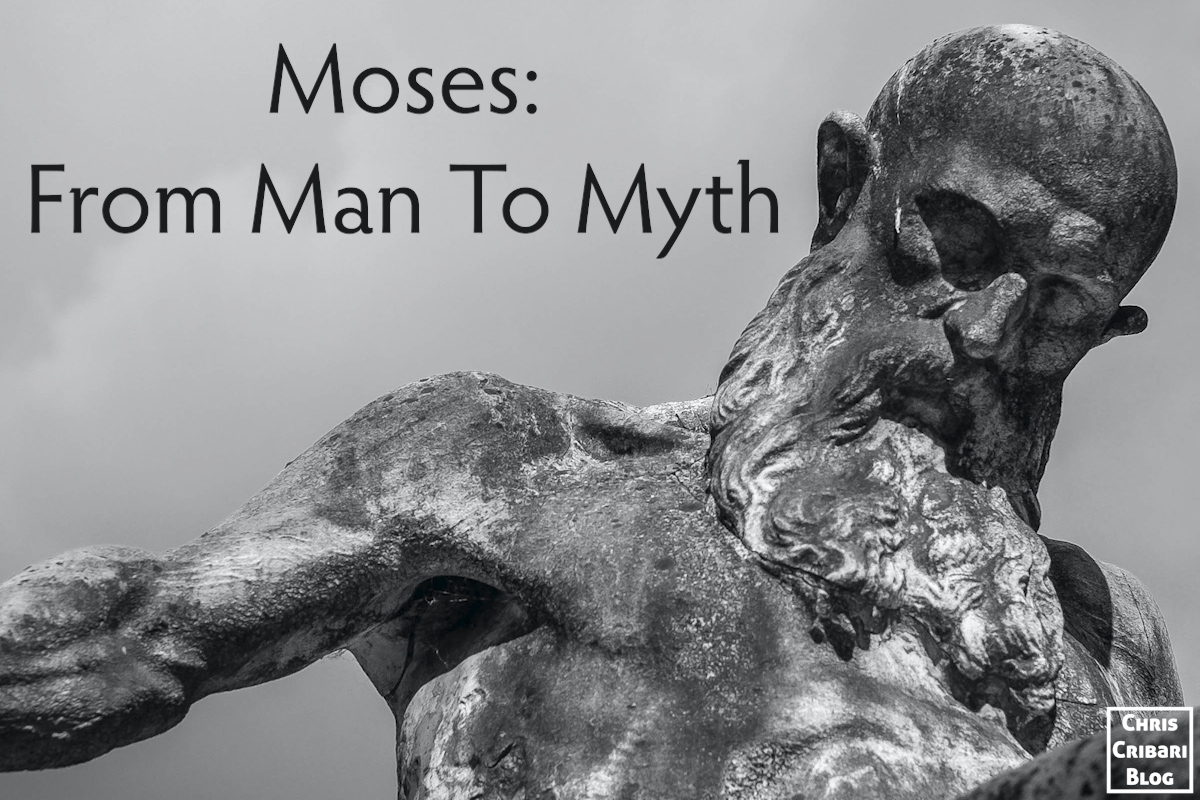
Jump to today, Moses is the figure of several movements in history. For example, Harriet Tubman was often called Moses because she freed slaves in America. Also, Superman has been compared to Moses in the way that he was born and other parallels within that story.

Just like them, you have two legacies you can choose from in your life right now. You can either go through the motions or be apart of the movement of God. You decide. Let’s pray and go to small groups.

This was my last sermon taught while serving in the youth group of my church. My best sermon? No, but I enjoyed the process of making it and wrapping up this series created by the new leadership for our youth group. Given during a time of change in leadership when I was stepping away as a new team was stepping up to take charge for the forseeable future.

Are they ready? Not even close to ready, let alone qualified. But neither were we when we started the youth group 3 years ago. They may not be qualified, but God has called them and if receptive to the leading of the Spirit will do great things in ministry. With that, Godspeed and Jesus bless.

Footnotes

  1.  Free stock photos · Pexels